Why Weeds Return Between Pavers After Pressure Cleaning
Few things are more frustrating than paying for a thorough pressure clean, admiring the fresh-looking paving for a few weeks, and then spotting green shoots pushing up through the joints again. For Bondi homeowners, this is a common complaint. The good news is that it is entirely explainable, and with the right approach it can be managed far more effectively. This guide explains why weeds come back, what is happening beneath the surface, and what you can do to keep your pavers looking clean for longer.
What Pressure Cleaning Actually Does to Paver Joints
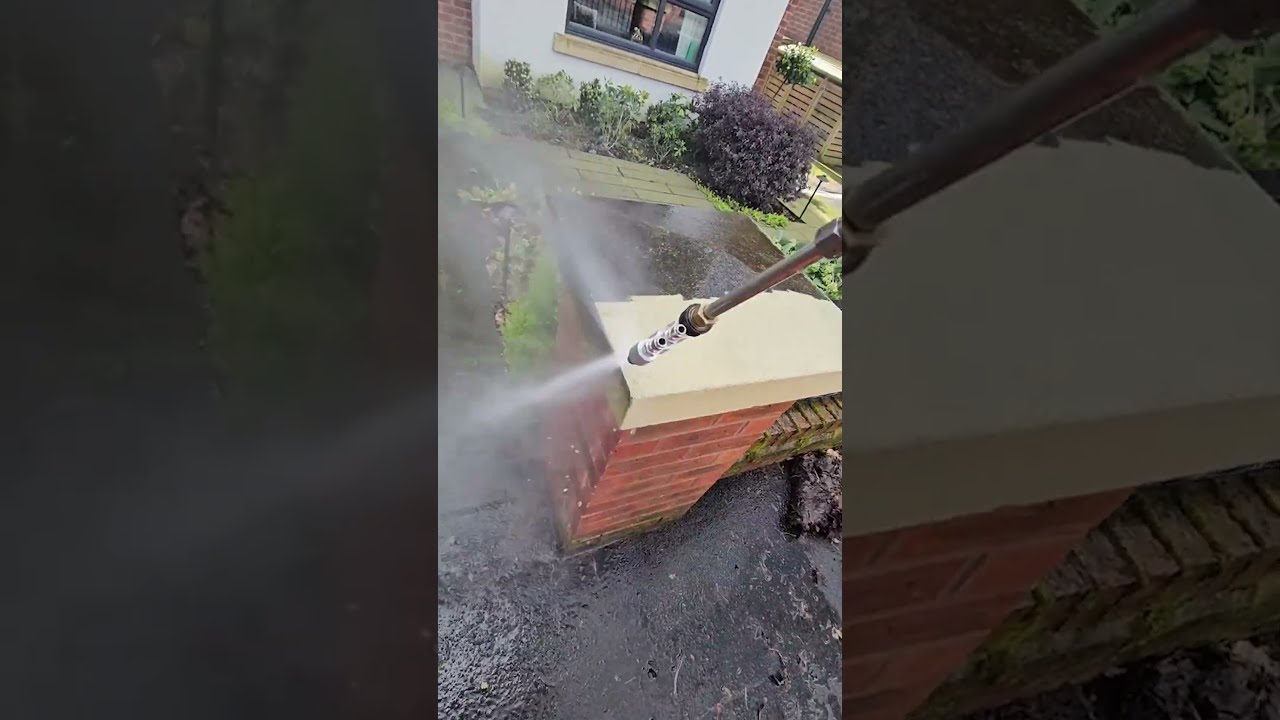
Pressure cleaning is excellent at removing surface grime, algae, mould, oil marks and loose debris. It also blasts out much of the jointing sand and any weeds growing in the gaps. However, it is primarily a surface cleaning method, not a weed eradication treatment.
When a high-pressure jet hits a weed, it typically strips away the leaves, stems and some of the upper root system. Many weeds, however, have deep or fibrous roots that extend well below the sand layer, into the bedding layer or even the compacted base beneath. Those remaining root fragments are often still alive, and they simply regrow once conditions are favourable.
The Main Reasons Weeds Come Back
1. Roots and Rhizomes Survive the Clean
Common Australian garden weeds such as couch grass, kikuyu, nutgrass, oxalis and creeping buffalo grass spread through underground runners (rhizomes and stolons) or bulbs. Pressure cleaning can remove the visible portion while leaving these structures intact below the paving. Within a few weeks, especially in warm, humid weather, they send up new shoots.
2. Seeds Are Already in the Joints and Bedding
Weed seeds can lie dormant in the jointing sand and the bedding layer for months or even years. Pressure cleaning disturbs the sand and can expose those seeds to light, moisture and fresh air, which actually triggers germination. In effect, a clean can sometimes stimulate a new flush of weeds if the joints are not properly treated and refilled afterwards.

3. Jointing Sand Is Removed and Not Replaced
High pressure typically washes out a significant amount of the sand between pavers. Without enough sand, the joints become deeper and hold more windblown soil, dust, pollen and organic matter. This debris collects moisture and becomes an ideal seedbed. Loose, empty joints also reduce paver stability, which allows even more gaps for weeds to colonise.
4. New Seeds Arrive Constantly
Seeds arrive on the wind, from birds, and from neighbouring gardens and lawns. In Bondi, coastal breezes carry seeds and fine sandy soil across properties, and gardens close to paved areas provide a constant seed source. Even a perfectly cleaned surface will receive fresh seeds, so prevention depends on what is in the joints once the job is finished.
5. Moisture and Shade Create Ideal Growing Conditions
Weeds thrive where there is regular moisture and organic matter. Areas of paving that stay damp, such as shaded courtyards, spots near downpipes, irrigation overspray zones, and patios beside garden beds, are especially prone to regrowth. Bondi's mild, humid climate and regular rainfall extend the growing season for many weed species.
6. Poor Drainage and Sunken Pavers
Where pavers have settled or drainage is poor, water pools in the joints and keeps the sand permanently damp. This encourages moss, algae and weeds. Cleaning alone does not fix these underlying structural issues.
Factors Specific to Bondi Properties
Bondi's coastal environment, compact lots and terrace-style homes with courtyards all influence weed growth in paving.
- Salt-laden air and windblown sand: Fine sand and soil blow into joints and build up a growing medium, even in otherwise tidy areas.
- Small courtyards and shared walls: Limited sunlight and reduced airflow keep joints damp for longer.
- Adjacent planting: Garden beds, pot plants and lawn edges drop seeds and send runners into paved areas.
- Sloping sites: Runoff carries soil and seeds into joints, particularly on hillside properties.
- Regular rainfall and warm temperatures: Weeds can germinate and grow for much of the year.
How to Stop Weeds Returning After Pressure Cleaning
The most effective approach combines proper cleaning technique, treatment of the joints, and ongoing maintenance. Here is a practical process that gives the best long-term results.
- Remove weeds before or during cleaning. Pull out larger weeds by hand, trying to extract as much of the root system as possible. Use a weeding knife or joint scraper for stubborn growth.
- Treat remaining growth with a suitable weed killer. A systemic herbicide absorbed through the leaves travels down to the roots. Apply it according to the label directions, avoid windy conditions, and keep it away from desirable plants, pets and drainage paths.
- Pressure clean at an appropriate pressure. Excessive pressure damages paver surfaces and strips more sand than necessary. A rotary surface cleaner and controlled pressure give an even result.
- Let the pavers dry completely. Joints must be dry before resanding so the new material compacts and bonds properly.
- Refill the joints with quality jointing material. Sweep sand into all gaps until they are full, then compact and top up as needed.
- Apply a sealer if appropriate. A quality paver sealer helps protect the surface from staining, and some jointing products also resist weed growth.
Choosing the Right Jointing Material
The material in your joints makes a significant difference to how quickly weeds return.
Standard Jointing Sand
Washed, fine-grained sand is the traditional and most affordable option. It is flexible and allows pavers to move slightly, but it washes out easily and lets weeds germinate in any organic debris that settles on top.
Polymeric Sand
Polymeric sand contains binding additives that harden slightly when activated with water. It resists washout, discourages insects and makes it harder for weed seeds to take root. It must be installed correctly on dry joints and in suitable weather, and it is not entirely weed-proof, since seeds can still germinate in debris that settles on the surface.
Stone Dust or Specialised Joint Compounds
Some compounds are designed for tougher joints or high-traffic areas. They set more firmly than sand but can be less forgiving if pavers shift. A professional can advise which product suits your paving type, joint width and site conditions.
Ongoing Maintenance to Keep Joints Weed-Free
Even with a perfect clean and resand, regular upkeep is the key to long-term results. Consider the following habits:

- Sweep paving regularly to remove leaves, soil and organic debris before they build up in joints.
- Pull any new seedlings as soon as you see them. Young weeds come out easily and have not yet developed strong roots.
- Top up jointing sand every year or two, particularly in high-traffic or exposed areas.
- Check downpipes, irrigation and drainage so water does not sit on or under the paving.
- Trim lawn edges and garden beds that border paved areas to limit runners and seed spread.
- Reseal pavers as recommended by the sealer manufacturer, often every few years.
Should You Use Boiling Water, Vinegar or Salt?
Home remedies are popular for treating weeds in paving, but they have limitations. Boiling water can kill surface growth, though it often fails to reach deep roots and can be a scalding hazard. Vinegar solutions may burn leaves without killing the roots, so regrowth is common. Salt can sterilise soil, but it can also damage nearby plants, harm the paving, and wash into garden beds and stormwater. For persistent weeds, a registered herbicide used correctly, combined with physical removal and resanding, is generally more effective.
Always read and https://pressurecleaningbondi.com.au/solar-panel-cleaning/ follow product labels, and consider the proximity of waterways and stormwater drains. In coastal areas such as Bondi, minimising chemical runoff is particularly important for protecting the local marine environment.
When to Call a Professional
If weeds return quickly despite your efforts, or if pavers are sunken, uneven or loose, it is worth getting professional advice. A trained cleaner can assess the condition of the paving, identify the weed species, recommend suitable treatments, and complete the cleaning, treatment, resanding and sealing as one coordinated process. This avoids the common problem of a clean that looks great initially but leaves the joints vulnerable.
Structural issues such as poor bedding, subsidence or drainage problems may require repair or relaying of sections of paving. Addressing these causes is the only way to prevent recurring weed growth in affected areas.
Key Takeaways
Weeds return between pavers after pressure cleaning because roots often survive, seeds remain in the joints, sand is stripped out, and new seeds constantly arrive in a warm, humid coastal climate. Pressure cleaning on its own cleans the surface but does not stop regrowth. For lasting results, combine weed removal and treatment with careful cleaning, fully dried joints, quality resanding and regular maintenance. With the right approach, Bondi homeowners can enjoy cleaner, tidier paving for much longer into 2026 and beyond.
Bondi Pressure Cleaning
(02) 8550 5711